
Razan Polymer is a trusted supplier of high-quality raw HDPE (High-Density Polyethylene) to countries across the CIS, Middle East, and Asia. With a strong network and efficient supply chain, we ensure that clients in these regions receive timely and consistent deliveries of top-grade HDPE products. Whether you are in Russia, Kazakhstan, Pakistan, India, China, or any other country in these regions, we offer customized solutions to meet your unique needs.
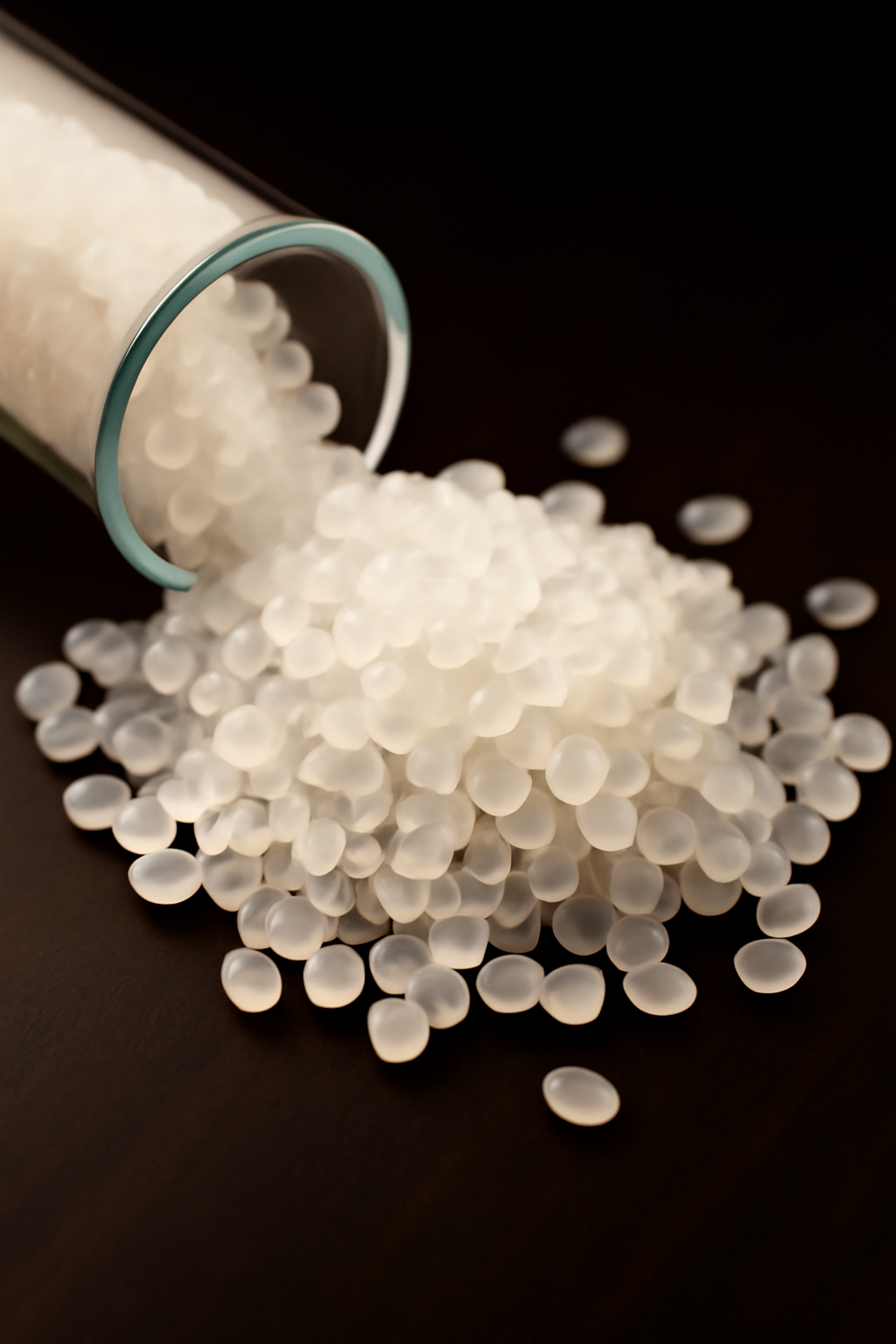
HDPE Grade PE100 - Extrusion and Pipe
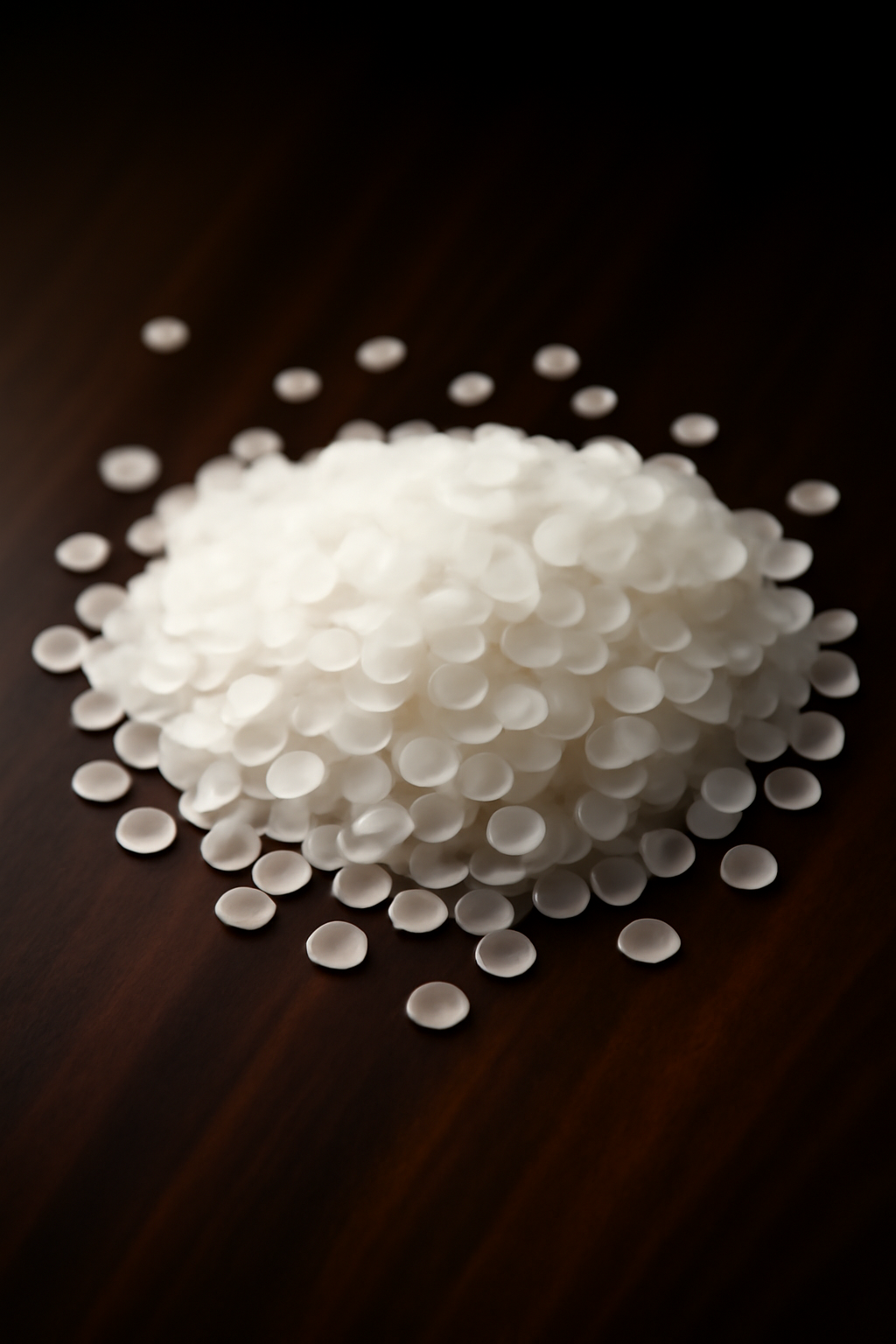
HDPE Grade BL3 (HF 4760) - Blow Molding
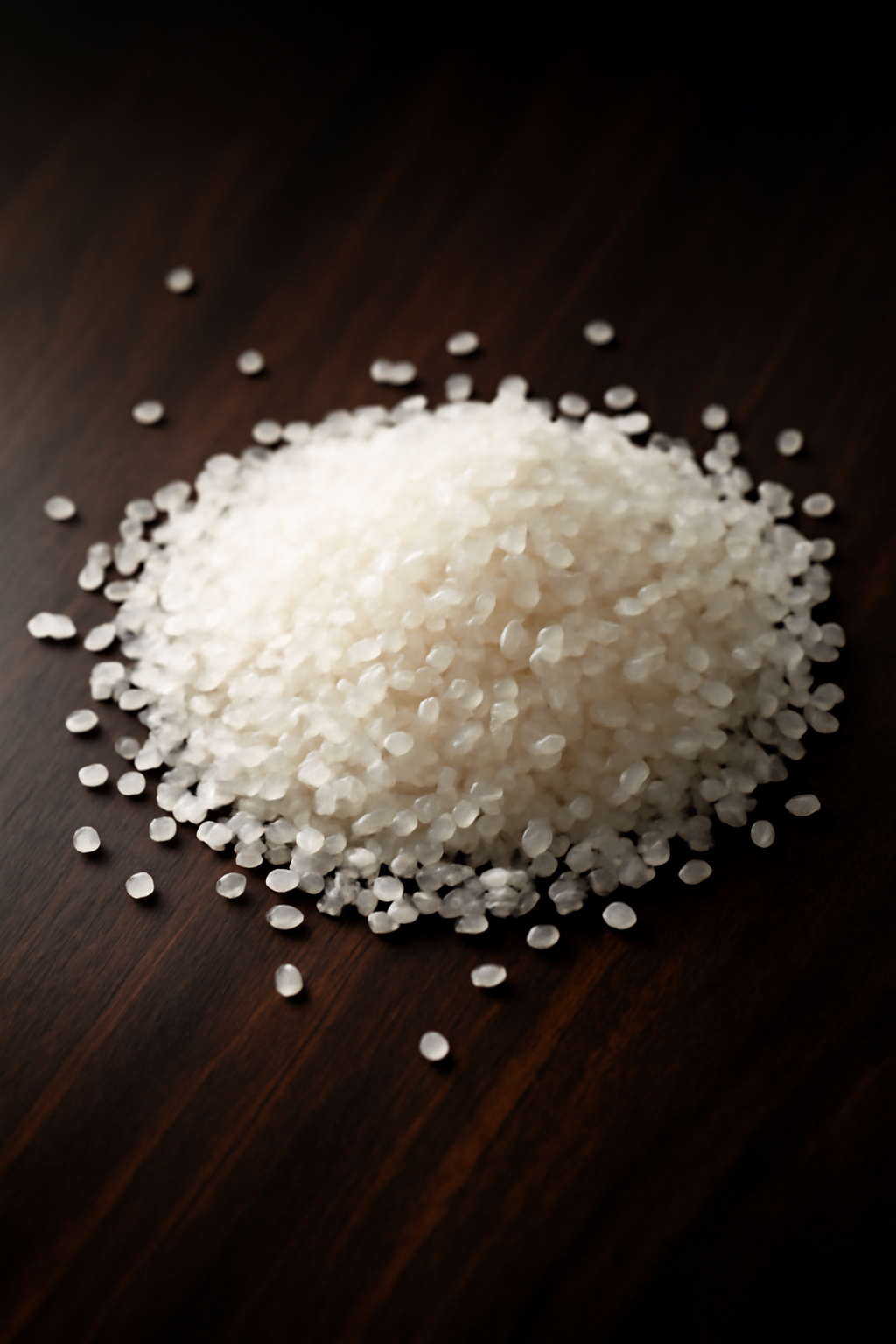
HDPE Grade 7000F - Film Grade
HDPE Grade 3840UA
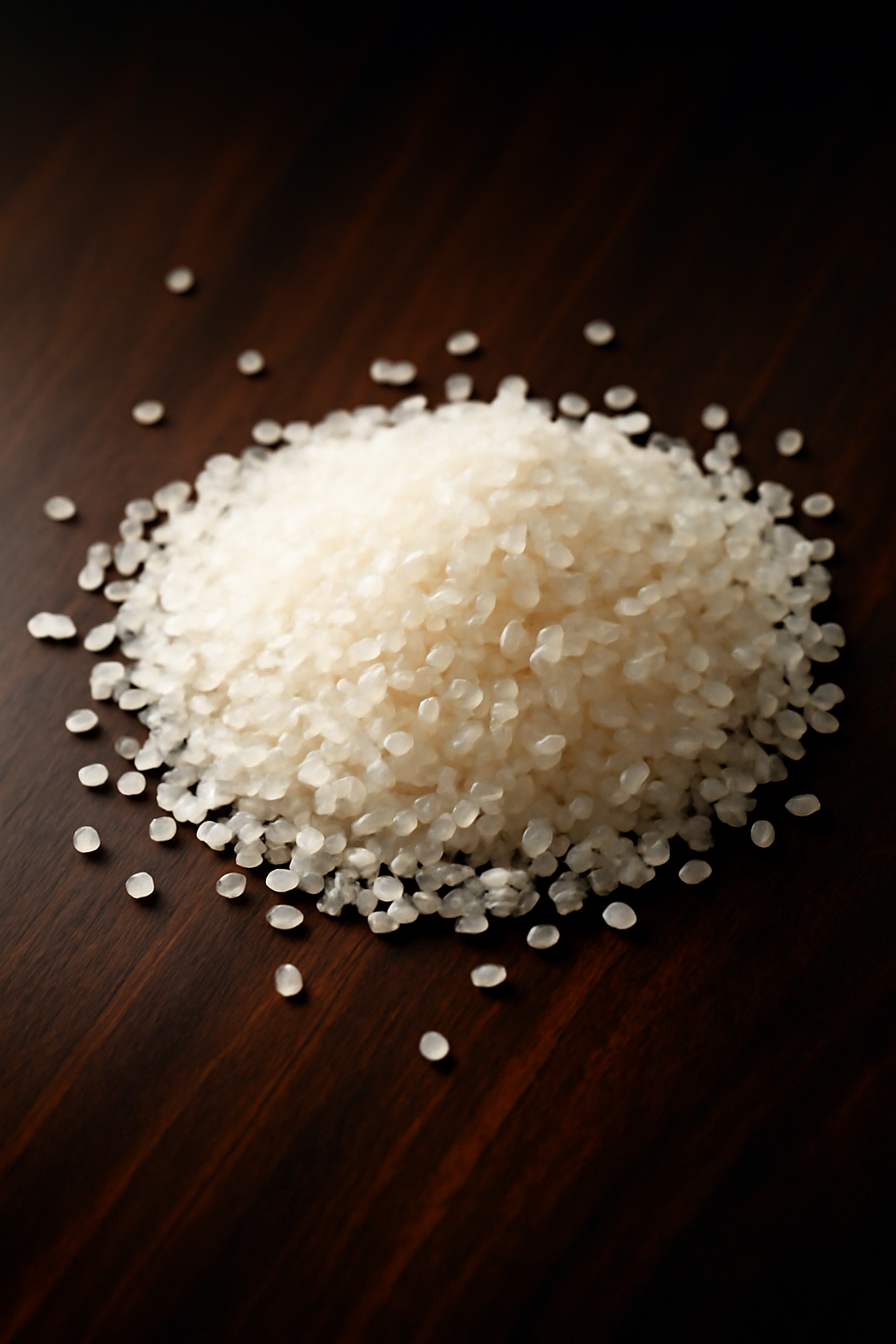
HDPE Grade 5110 - Film Grade
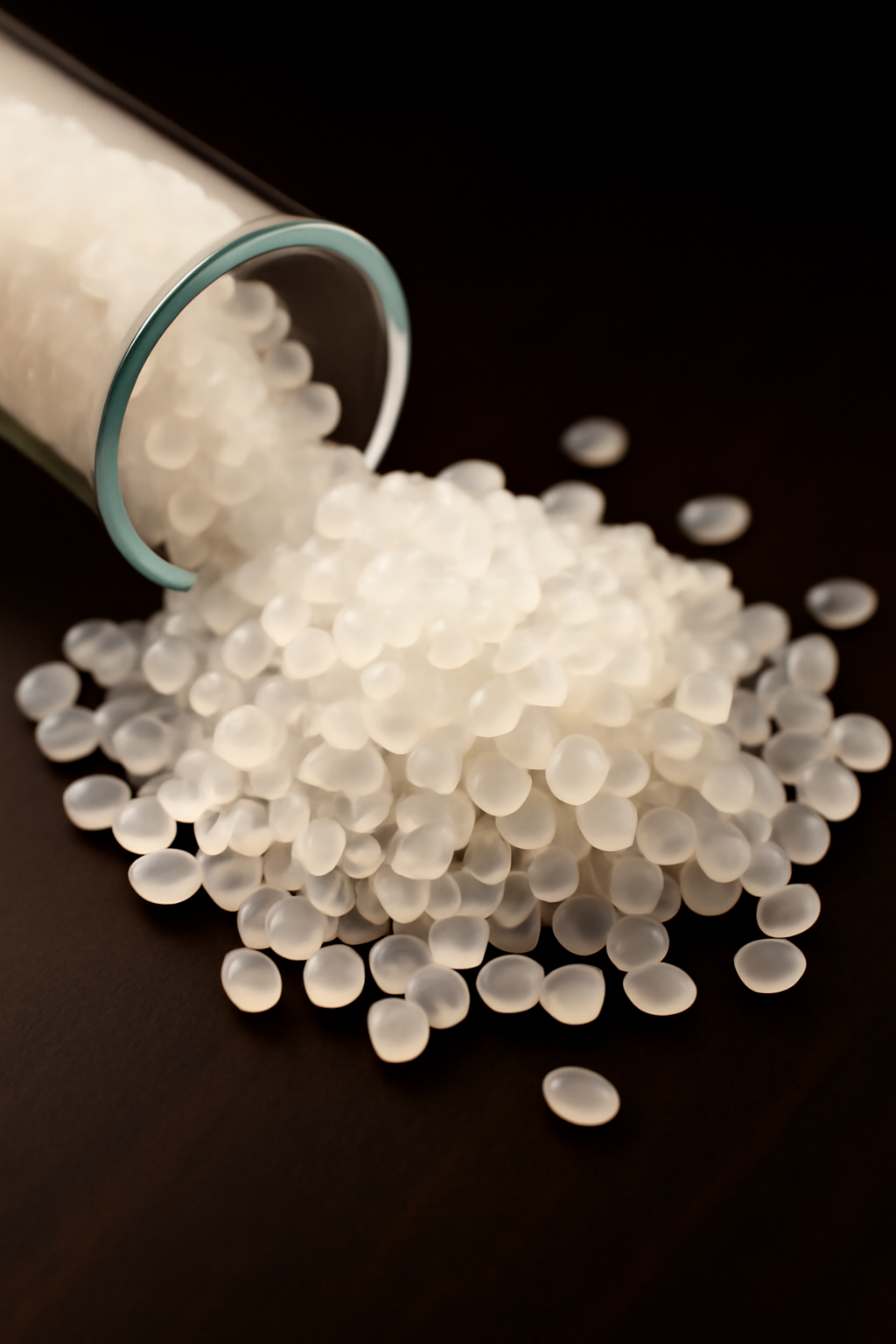
HDPE Grade 52518 - Injection Molding
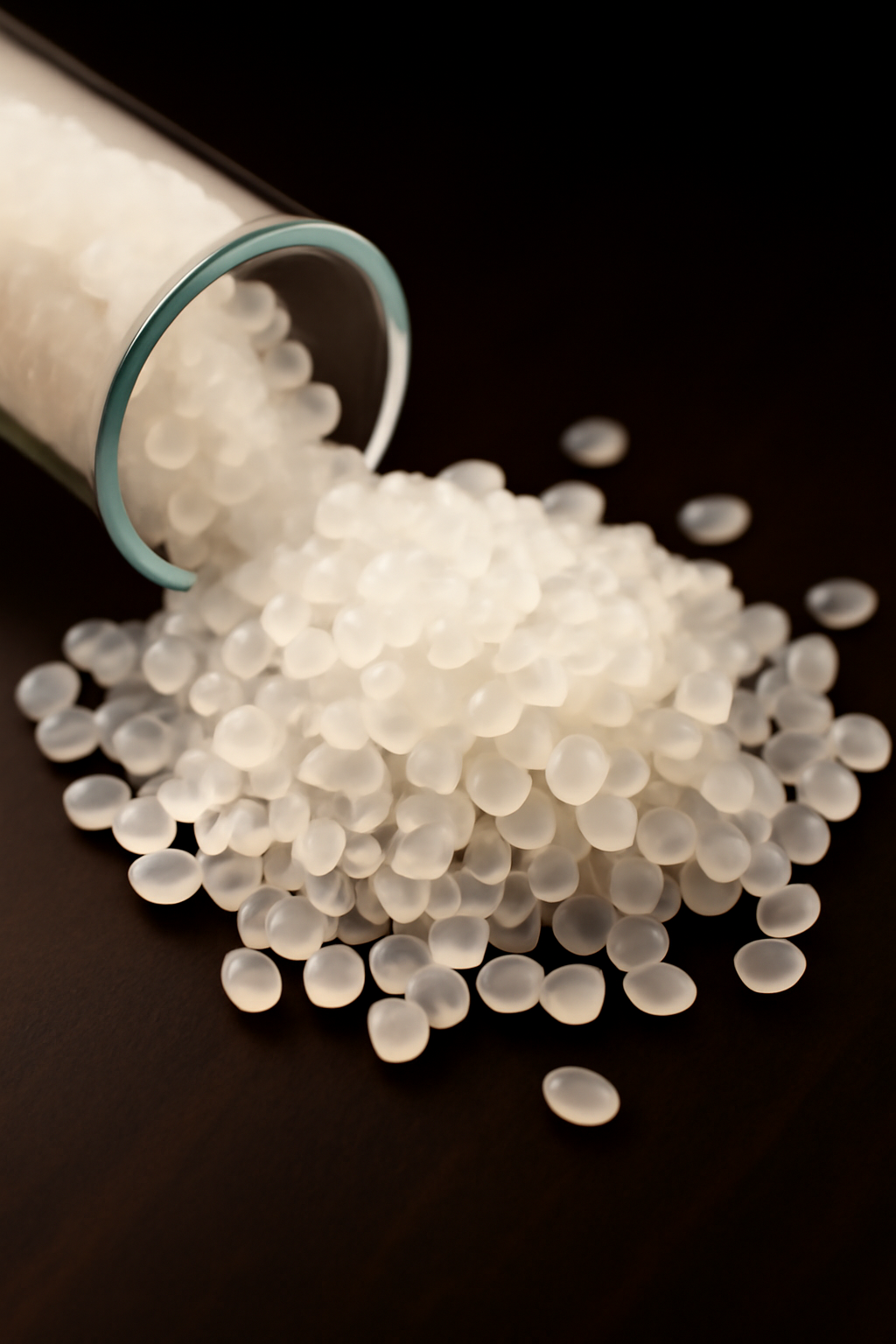
HDPE Grade EX5 - Extrusion Grade
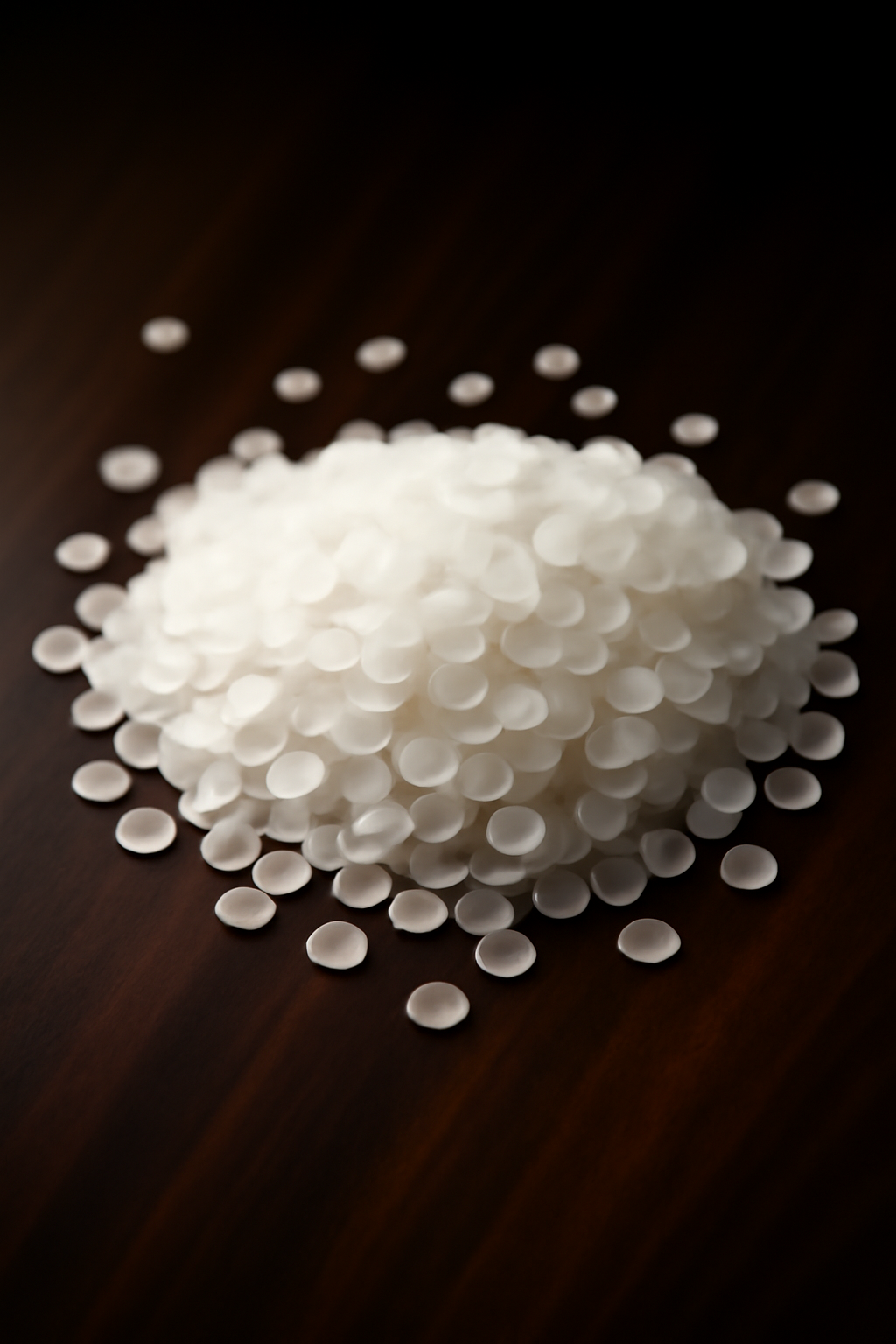
HDPE Grade HDPE 5110
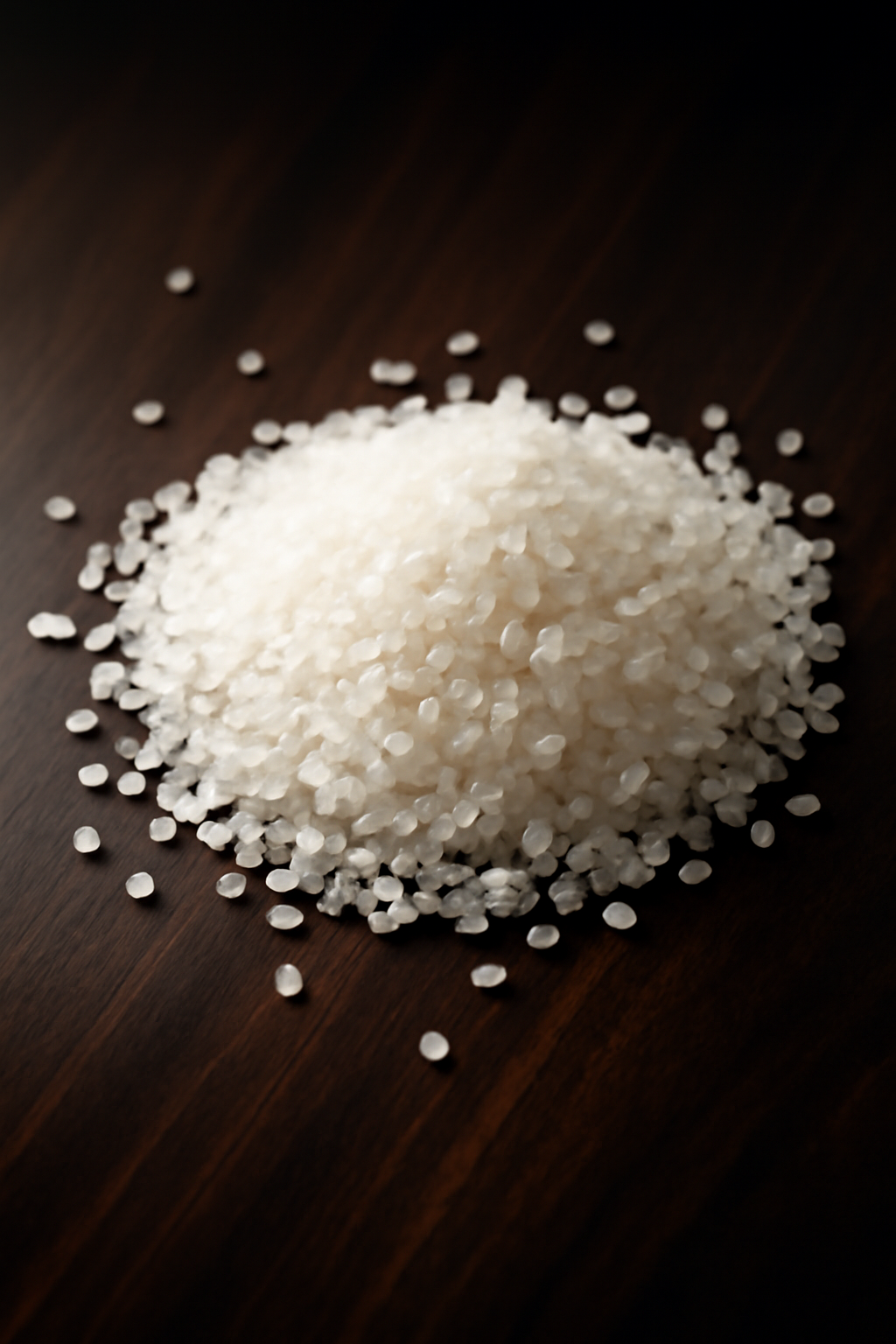
HDPE Grade HDPE 52518
High Density Polyethylene (HDPE)
What is High Density Polyethylene?
High-density polyethylene or HDPE is a commonly used petroleum thermoplastic and the most used of the three polyethylenes for a wide range of applications. If you look at this plastic under a microscope, you would see that it has a linear structure with few branches lending to its optimal strength/density ratio. As a result of its molecular makeup, this polymer shines brightest in applications where moisture resistance and cost-effectiveness are needed.
HDPE was created in the 1930s and used in high-frequency radar cables during World War II. It was introduced to the market commercially soon after. While its higher density versions yield a more rigid result, HDPE can vary in flexibility. Low-density grades of the thermoplastic are less stiff and the high-density grades have equally high crystallinity.
The Advantages and Disadvantages of HDPE
Even with its popularity, there are some advantages and disadvantages you should consider before using HDPE for your application:
Advantages
- Cost-effective
- Can withstand temperatures from -148 to 176 degrees Fahrenheit
- Non-leaching
- UV-resistant
- Dishwasher safe
- Resistant to most chemical solvents
- Stiff material
Disadvantages
- Poor weathering resistance
- Flammable
- Sensitive to stress cracking
- Difficult to bond
4 Common Uses for HDPE
- Plastic bottles: Most people are informally introduced to the durable plastic through water bottles. HDPE is great for blow-molding applications, particularly food and beverage containers because it won’t leach into the bottles’ contents. In addition, HDPE is recyclable which makes it a great choice for these highly disposable products.
- Toys: HDPE is UV resistant which helps keep the toys resistant to the ray’s damaging and discoloring effects.
- Chemical containers: With its chemical resistant properties, HDPE is great for laundry, shampoo, conditioner, household cleaning products, motor oil, antifreeze and recycling bins. The strength of these bottles is increased when they’ve been colored or pigmented.
- Pipe systems: HDPE pipe grade sheet has a higher molecular weight compared to the standard HDPE used in the above examples. This strengthening with its UV-resistance makes it ideal for piping and outdoor applications. Pipe grade sheet has the ability to withstand -220 to 180 degrees Fahrenheit. It’s durable in most chemical interactions which make it useful in a lot of industrial applications.
The Top Uses for HDPE Include
- Shampoo Bottles
- Toys
- Chemical Containers
- Pipe Systems
- Milk Jugs
- Recycling Bins
- Grocery Bags
- Cereal Box Liners
- Flower Pots
Easily Meltable and Moldable
One of the primary benefits of this plastic material comes from its inherent malleability. With this in mind, HDPE in particular excels. Thanks to a high melting point, HDPE remains rigid until very high temperatures. However, once it’s reached its melting point, the plastic material can be quickly and efficiently molded for use across a variety of unique applications including cutting boards, detergent bottles, milk jugs, food storage containers, corrosion-resistant piping, geomembranes, plastic lumber, and so much more.
Corrosion Resistance
HDPE resists mold, mildew, and rotting, making it the ideal material for underground piping used to deliver water. Long-lasting and weather-resistant, HDPE can be sterilized by boiling, making it an ideal material for food and beverage containers. Additionally, HDPE can withstand most strong mineral acids and bases and has excellent resistance to naturally occurring chemicals found in soil. Moreover, the material is virtually impervious to most common chemicals, water, solvents, acids, detergents, and cleaning fluids.
Large Strength to Density Ratio
The density of HDPE can range from 0.93 to 0.97 g, although the density of HDPE is only marginally higher than LDPE (low-density polyethylene). However, when under the microscope, HDPE’s linear structure means the material has little branching, which offers it stronger intermolecular forces and tensile strength than LDPE. It’s for this reason that a 60-gram HDPE container can safely carry over a gallon of liquid or roughly eight pounds of weight.
Easily Recycled
Considering how much plastic we use in our day-to-day lives, one of the most important factors when deciding on a material is plastic recycling. Fortunately, HDPE plastic is easily recyclable, helping keep non-biodegradable waste out of landfills, while helping reduce plastic production by up to 50 percent! If you’re looking for a cost-effective, environmentally responsible material, HDPE may be the plastic for you.
Why Use HDPE?
HDPE often replaces heavier materials which help companies and individuals alike pursue sustainable and affordable manufacturing and project goals. Thanks to its high malleability, rigid strength, and corrosion resistance. HDPE is the perfect combination of strength, cost-efficiency, and environmental friendliness.